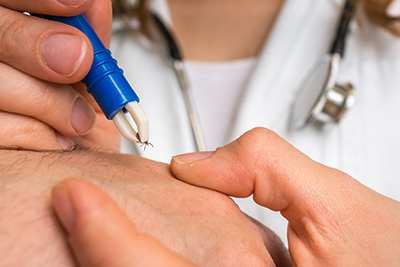
Lyme Disease is real, but when the “cure” fails, patients’ complaints are often dismissed as psychosomatic. From persistent bacteria to autoimmune issues, there are biological mechanisms at play that cause chronic symptoms. Inaccurate testing is just one part of the problem. After your initial exam, we may recommend comprehensive lyme and tick-borne disease panels. We also take a deep look at your gut health, conduct hormone panels and screen for toxins, especially mold. We work with you to develop a tailored, comprehensive treatment plan that fully addresses the true, current status of your Lyme Disease.
Schedule your consultation today. Call ☎ (952) 234-5898 or contact us online to make an appointment.
When the anticipated “cure” for Lyme Disease fails, patients are often left feeling dismissed or even betrayed. They are sometimes even told their systemic, debilitating symptoms are psychosomatic. Their suffering, however, is real. There is a complex array of biological mechanisms at play that have been clearly identified, but still, Lyme Disease patients remain unaware and continue to suffer unnecessarily.
What are some of the reasons Lyme Disease can be chronic?
Persistent Bacteria and Biofilms: While standard antibiotic therapy kills fast-growing bacteria, Borrelia burgdorferi (the Lyme Disease pathogen) can transform into “persister cells.” These dormant, metabolically inactive cells can tolerate antibiotic therapy. The bacteria also shields itself inside biofilms—protective matrixes that block both the immune system and standard medications from reaching them. When the treatment ends, these surviving forms can awaken and trigger relapse.
Co-infections: A single tick bite can simultaneously transmit more than just one pathogen (e.g., Ehrlichia, Anaplasma, etc.). Standard Lyme Disease treatments, like a course of doxycycline, will often be completely ineffective against these co-infections – and left untreated, may remain seriously ill, even though not with Lyme Disease.
Missed or Delayed Diagnosis: The longer the Lyme Disease bacteria are allowed to disseminate, the more difficult they are to eradicate. Lyme Disease can present without the classic "bull's-eye" rash. Standard two-tier antibody tests have poor sensitivity, missing a substantial percentage of early and late-stage infections, leading to prolonged delays in treating the disease.
Secondary Triggers: The initial Lyme infection often acts as a biological trigger for other secondary environmental stressors like mold, or internal stressors like Mast Cell Activation Syndrome. These can amplify Lyme Disease or mimic its symptoms.
Autoimmune Effects: Dying Borrelia bacteria can linger in tissue, triggering the immune system into a continuous, hyper-inflammatory state, where it attacks its own healthy tissues even after the active Lyme Disease infection has diminished.
For patients who struggle after receiving failed standard treatment for an acute case of Lyme Disease, their frustration has a formal name: Post-Treatment Lyme Disease Syndrome (PTLDS). Many doctors, however, identify it as simply a part of the broader Chronic Lyme Disease (CLD) diagnosis. Here is a breakdown of the terminology:
Acute Lyme Disease: A recent, active infection that responds well to initial antibiotic treatment.
Post-Treatment Lyme Disease Syndrome (PTLDS): This condition presents ongoing symptoms like pain, fatigue or brain fog that persists for months after the original infection has been treated with antibiotics. These lingering effects are believed to stem from residual inflammation or immune system changes rather than an active, ongoing bacterial infection.
Chronic / Persistent Lyme Disease: A term often used by patients and some clinicians to describe long-term symptoms, but it often implies or assumes that the original bacteria are still actively lingering in the body and causing ongoing illness.
A completed course of antibiotics doesn't equal a resolved infection. Standard testing and treatment often miss Lyme Disease for several key reasons:
Functional and Integrative Medicine practitioners are your best choice for treating Lyme Disease because they identify root causes rather than just managing symptoms. By using a functional and integrative approach and using personalized testing and advanced cutting-edge treatment methods, they treat the whole system, often improving immunity and overall health and wellness.
As experts in Functional and Integrative Medicine, here at One Agora Integrative Health, we look beyond symptoms to ascertain root causes. It is always crucial to understand the cause to find the right cure.
The first step is a thorough consultation where we perform a physical exam and do any necessary medical testing. We partner with independent labs that have developed innovative tests that are more sensitive and specific.
We also take a deep look at your gut health. We do hormone panels and screen for toxins, especially mold. We review your symptoms, family history and individual medical history. Next, we work with you to develop a tailored, comprehensive treatment plan that fully addresses your Lyme Disease.
With our holistic approach, we focus on cutting-edge treatments and front-line therapies. In addressing Lyme Disease, we have an array of treatment approaches, including:
We have an array of other treatments we may use as well:
We have seen our patients completely resolve Lyme Disease because we test and target all root causes that are causing each patient's unique condition and symptoms.
A realistic timeline and what patients can expect month to month, which builds trust with people who are wary of over-promising after past disappointments.
Recovery from Lyme disease is rarely a fixed course. That’s why setting realistic expectations is crucial to preventing the frustration of overpromising and quick fixes. If the Lyme infection is caught within days, it usually resolves quickly after a two-to-four-week course of antibiotics. But with late-stage Lyme Disease or Post-Treatment Lyme Disease Syndrome (PTLDS) recovery may take months or even years.
Real recovery is measured by increasing functional stability and shortening a decreasing number of flare-ups, rather than an abrupt cessation of symptoms. Be sure to track your patterns by keeping a daily symptom journal.
As antibiotics or herbal antimicrobials begin to kill off the Borrelia burgdorferi bacteria, you may experience what’s commonly known as a Herxheimer reaction—a temporary worsening of symptoms caused by the immune system's inflammatory response to bacterial die-off. You may be experiencing fever, body aches and fatigue still. Acute symptoms like the initial bull’s-eye rash, higher fevers and severe headaches should resolve by the end of the first month. Never expect to feel "cured" when your antibiotic course ends. Though the infection may be disrupted, symptoms from immune system activation and tissue inflammation persist.
This phase is characterized by intense fluctuations in how you feel. Expect shorter or less intense flares. Common lingering symptoms include:
Systemic inflammation will begin to dissipate. If your autonomic nervous system was impacted, symptoms like dizziness upon standing should begin to diminish. You should see improvements in sleep, including feeling more rested with fewer daytime naps. Cognitive function should show signs of improvement. Roughly 10 to 20 percent of patients continue to have lingering symptoms at the six-month mark, qualifying as PTLDS. If you are in this group, your timeline requires an extended, multi-layered approach focusing on symptom management and physical rehabilitation.
Neurological symptoms (e.g., nerve pain, numbness, or significant cognitive issues) take the longest to heal, sometimes requiring up to a full year to completely resolve. Because there is no ideal protocol for persistent symptoms, care should be tailored to your evolving needs.
If additional symptoms linger past six months, shift your focus toward comprehensive rehabilitation. This includes:
If you suspect lingering or chronic Lyme Disease, reach out and schedule your consultation today. Call ☎ (952) 234-5898 or contact us online to make an appointment.

